|
|
|
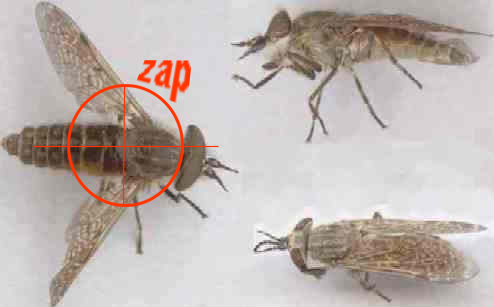
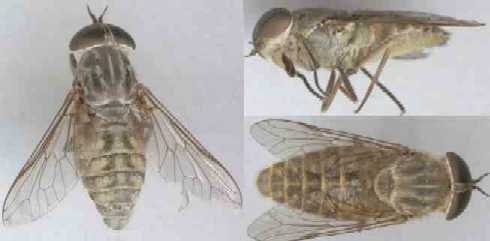
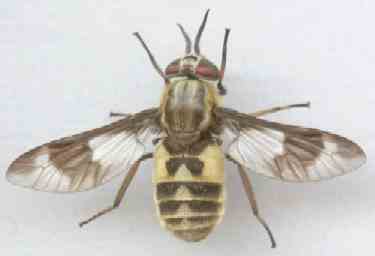
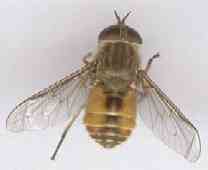
Horse flies Unfortunately humans are fun to eat ( at least that's an insect view ) - and as naturists we do make it easy to get to the 'meal'. Horse flies can give you a really nasty bite. So here are some pictures of 'regular offenders'. At HERITAGE all of these little beasties have been around! As naturists, we really won't mind if we flick these beasties off each other!
Haematopota Pluvialis - you won't notice it till it settles - you have less than 2 seconds to flick it off. Naturists really will not mind if you do this to each other as the bite is NASTY. Often this little horror bites twice in the same location - 'two bites at the cherry'. Typically you will notice nothing for 5 minutes, then a large swelling with a nasty itch follows. Do NOT scratch as the bite easily gets infected. Use an ointment from the chemist to relieve a little of the swelling which declines over the next hours to be replaced by a painful watery blister. If you must 'pop' the blister, do so with a sterile needle. Antiseptic cream ought to be applied. The bite will linger on itchy for up to a week.
Tabanius Bromius - is the little cousin and just as nasty. Treat in the same way. If the bite gets infected then see a doctor earlier rather than later.
Chrysops Relictus is NOT a bee despite the markings. There is no 'sting to remove' so don't try go looking for it.
Hybomitra Distinguenda is more obviously a fly. |

|
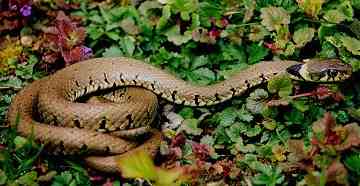
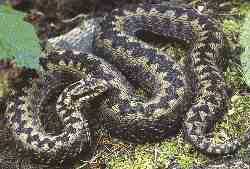
Snakes Unlike horse flies, these are harmless. Ok - 'the adder' has a bite, buts its so rare to be bitten, you'll make at least the local newspaper - particularly if you tell them you were at a naturist club when it happened!! At HERITAGE we have both grass snakes and adders. The author and his children have watched in fascination, a frog being devoured by a grass snake!
Seeing an adder is rare ( Heritage has just one known recent adder's nest), being bitten by an adder is rarer and severe reactions from an adder bite are also very rare. However you will suffer pain, swelling, bruising, and tender enlargement of regional lymph nodes. You will need to report to the local hospital A&E for treatment.
|
|
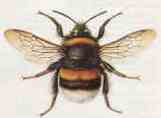
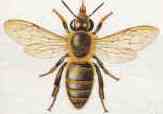
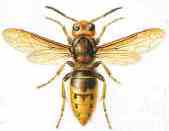
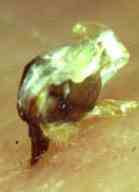
This site on bee/wasp stings gives all sorts of useful information. We dont have many wasps but at least once a summer someone gets stung and at least one person has to carry the emergency bee sting kit. Bees in particular, cause more allergenic reactions than any other UK insect.
|
|
Caterpillars, ants and similar At HERITAGE we for some reason we have the large black ants. They seem to avoid us humans and scurry on their own business. They rarely nip anyone and are not a nuisance. Caterpillars on the other hand, though the welcome pre-cursors of butterflies etc, need to be treated with caution - particularly by children. Many have little hairs which can get into the soft skin of children and cause irritation for a long time.
|

 Bees and wasps